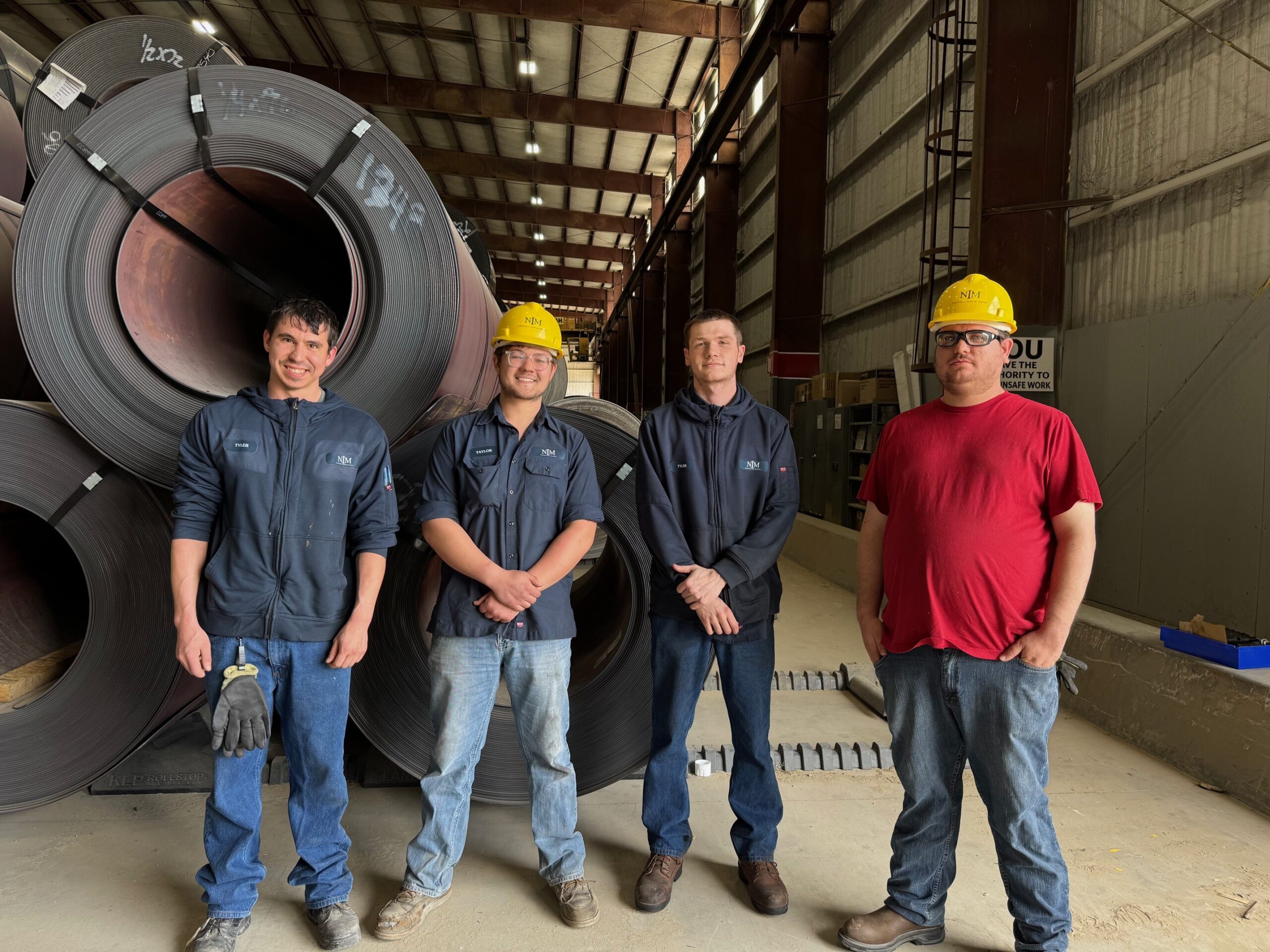
Metal supply chains are the backbone of countless industries, including construction, manufacturing, transportation, and infrastructure. These systems depend on precision, consistency, and reliability at every stage, from raw material sourcing to final delivery. Even small variations in material quality can lead to significant issues such as structural failure, production delays, or increased project costs.
Because of this, quality control is essential. ISO 9001:2015 certification provides a structured framework that helps companies maintain consistent quality across their operations. For suppliers like Norfolk Iron & Metal, it represents a commitment to reliability, efficiency, and continuous improvement throughout the supply chain.
What is ISO 9001 Certification?
ISO 9001 is an internationally recognized standard for quality management systems (QMS). It is designed to help organizations ensure that their products and services consistently meet customer expectations and regulatory requirements.
Rather than focusing on a single product or outcome, ISO 9001 emphasizes the processes behind production and delivery. It requires companies to establish documented procedures, monitor performance, and continuously improve operations.
To achieve certification, organizations must undergo regular audits conducted by independent bodies. These audits verify that the company is following strict quality standards and maintaining consistent operational practices.
Why ISO 9001 Matters in Metal Supply Chains
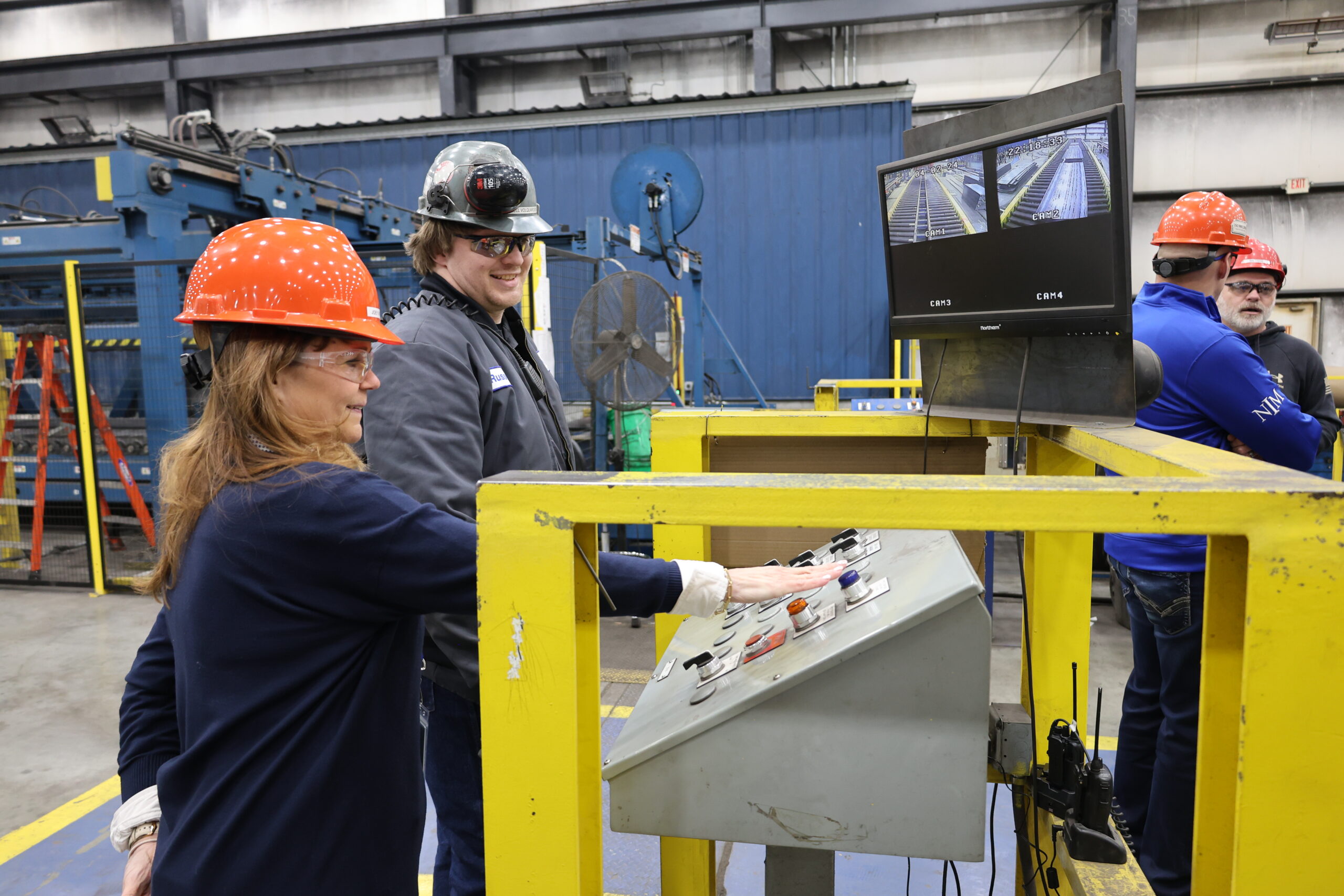
Metal supply chains are complex and involve multiple steps, including sourcing raw materials, processing, inventory management, and distribution. Each stage must function properly to ensure the final product meets required specifications.
Metals such as steel and iron must adhere to strict standards for strength, composition, size, and durability. If any part of the supply chain fails to meet expectations, it can impact entire projects downstream. ISO 9001 certification helps reduce these risks by creating standardized processes that ensure consistency from start to finish.
By implementing a structured quality management system, suppliers can better control variability and ensure that materials meet exact specifications every time.
Key Benefits of ISO 9001 Certification
Consistent Product Quality
One of the most important benefits of ISO 9001 certification is consistency. Standardized processes ensure that products are manufactured, handled, and delivered with minimal variation. This is especially important in metal supply chains, where even slight inconsistencies can affect performance and safety.
Customers can rely on receiving materials that meet the same high standards every time they place an order.
Improved Supply Chain Efficiency
ISO 9001 encourages organizations to streamline their processes and eliminate inefficiencies. In a metal supply chain, this can include improving inventory management, reducing waste, and optimizing transportation and logistics.
These improvements help reduce delays and ensure that materials are delivered on time, which is critical for construction and manufacturing schedules.
Enhanced Customer Confidence
Certification also plays a major role in building trust. Customers are more likely to work with suppliers who have demonstrated a commitment to quality management. ISO 9001 certification signals that a company is serious about maintaining high standards and delivering reliable products. This trust often leads to stronger long-term business relationships.
Reduced Errors and Defects
A structured quality management system helps identify potential issues early in the process. By implementing consistent checks and controls, companies can reduce the likelihood of defects or errors in materials.
In metal supply chains, this reduces costly rework, rejected shipments, and project delays.
Continuous Improvement Culture
ISO 9001 promotes ongoing improvement. Companies are required to regularly review their processes and identify areas where performance can be enhanced. This culture of continuous improvement helps organizations adapt to changing market demands and maintain high levels of efficiency and quality over time.
How ISO 9001 Impacts Metal Distribution Specifically
In metal distribution, precision and traceability are critical. ISO 9001 certification ensures that materials are properly graded, labeled, and tracked throughout the supply chain. This traceability is especially important for industries that require strict compliance with engineering and safety standards.
Certification also improves communication between suppliers, distributors, and customers. With clear documentation and standardized procedures, all parties have access to accurate and consistent information.
This reduces misunderstandings and helps ensure that the right materials are delivered to the right projects at the right time.
The Role of Documentation and Auditing
Documentation is a key component of ISO 9001. Companies must maintain detailed records of their processes, inspections, and quality checks. This documentation provides transparency and accountability at every stage of the supply chain.
Regular audits, both internal and external, are also required. These audits evaluate whether the company is following its quality management system correctly and identify areas for improvement.
Together, documentation and auditing help ensure that quality standards are consistently met and maintained over time.
Why ISO 9001 Matters for Customers
For customers, working with an ISO 9001-certified supplier provides peace of mind. It ensures that materials will meet required specifications and arrive as expected, reducing the risk of project delays or failures.
It also means that the supplier has systems in place to address issues quickly and effectively if they arise. This level of reliability is especially important in industries where time and precision are critical.
Ultimately, ISO 9001 certification helps build trust between suppliers and customers, creating stronger and more dependable business relationships.
Quality Builds Strong Supply Chains
ISO 9001 certification plays a vital role in ensuring consistency, efficiency, and reliability in metal supply chains. From improving product quality to enhancing customer confidence, its benefits extend throughout every stage of the distribution process.
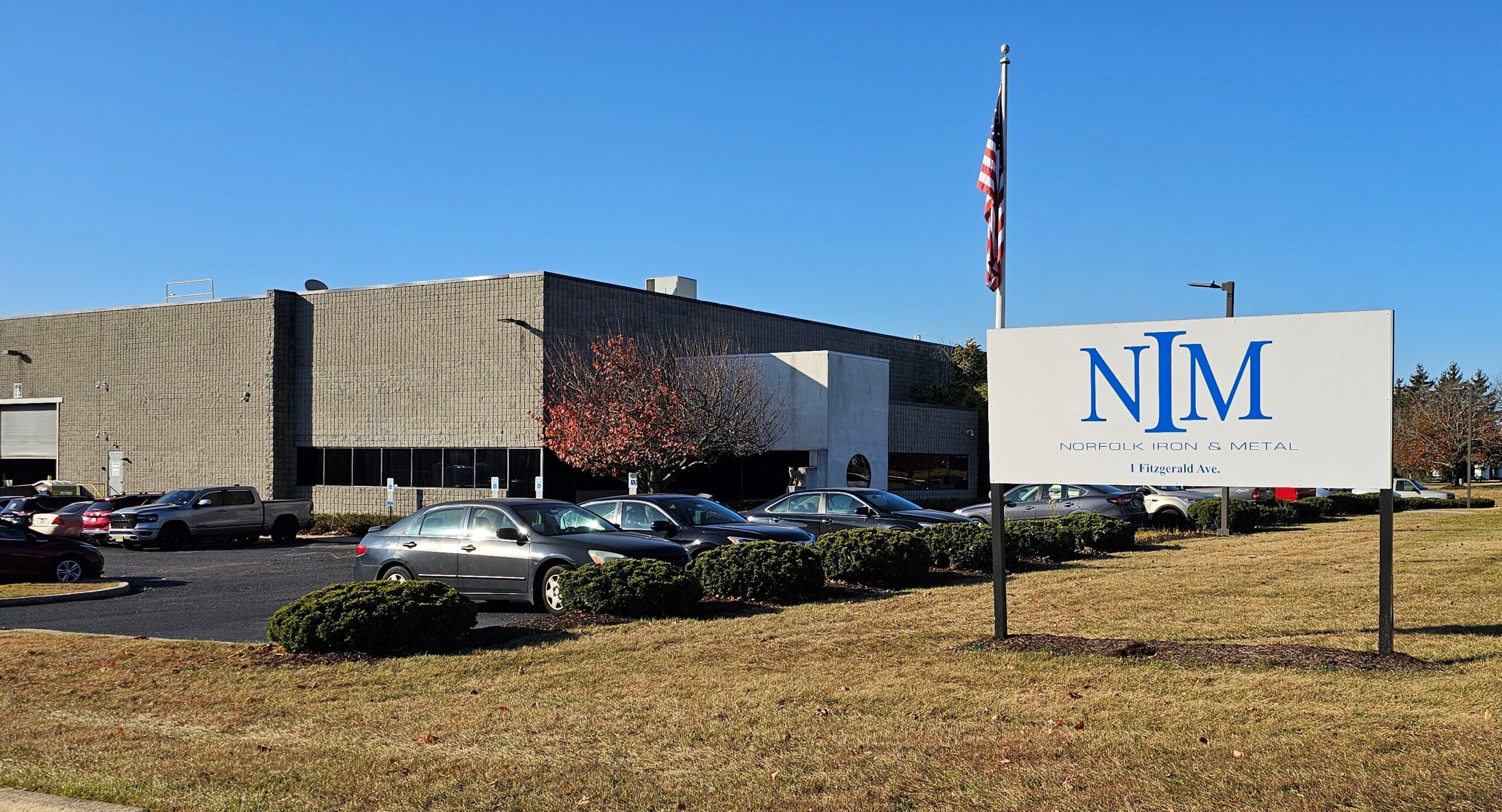
By adopting ISO 9001 standards, companies demonstrate a commitment to continuous improvement and operational excellence. Suppliers like Norfolk Iron & Metal show how strong quality systems can support long-term success and dependable service.
For customers, working with a supplier with an ISO 9001:2015 certified Quality Management System provides peace of mind. Contact Norfolk Iron & Metal to learn more about our products and processes.

Follow Us