Precision cutting plays a major role in modern metal fabrication and manufacturing. Industries ranging from construction and automotive manufacturing to industrial equipment production rely on accurate, efficient metal cutting processes to create quality components and finished products. Two of the most commonly used metal cutting methods are laser cutting and plasma cutting.
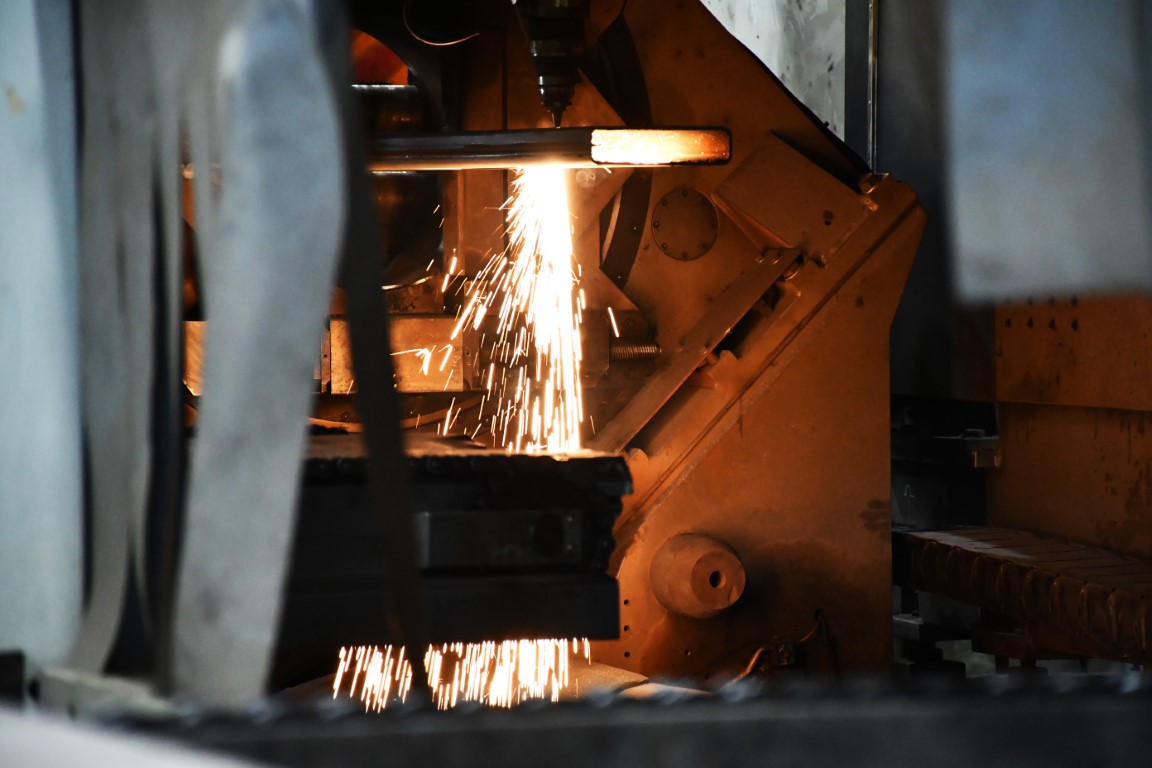
While both methods are highly effective, they work differently and offer unique advantages depending on the project. Factors such as material thickness, precision requirements, edge quality, and production speed all influence which cutting method is the better fit. Understanding the differences between laser cutting and plasma cutting can help businesses choose the right process for their specific fabrication needs.
Norfolk Iron & Metal provides metal processing services and quality metal products for a wide range of industrial and fabrication applications.
What is Laser Cutting?
Laser cutting uses a highly focused laser beam to cut through metal materials with extreme precision. The concentrated beam heats the material to a very high temperature, which then melts or vaporizes the metal along a controlled cutting path.
Laser cutting is known for producing clean, accurate cuts with tight tolerances and minimal material distortion. Because the laser beam is so precise, this process works especially well for detailed patterns, intricate designs, and components requiring exact measurements.
Laser cutting is commonly used in industries such as:
- Automotive manufacturing
- Aerospace
- Electronics
- Construction
- Custom fabrication
- Industrial manufacturing
The process is especially effective for thin to medium-thickness metals where precision and edge quality are important.
What is Plasma Cutting?
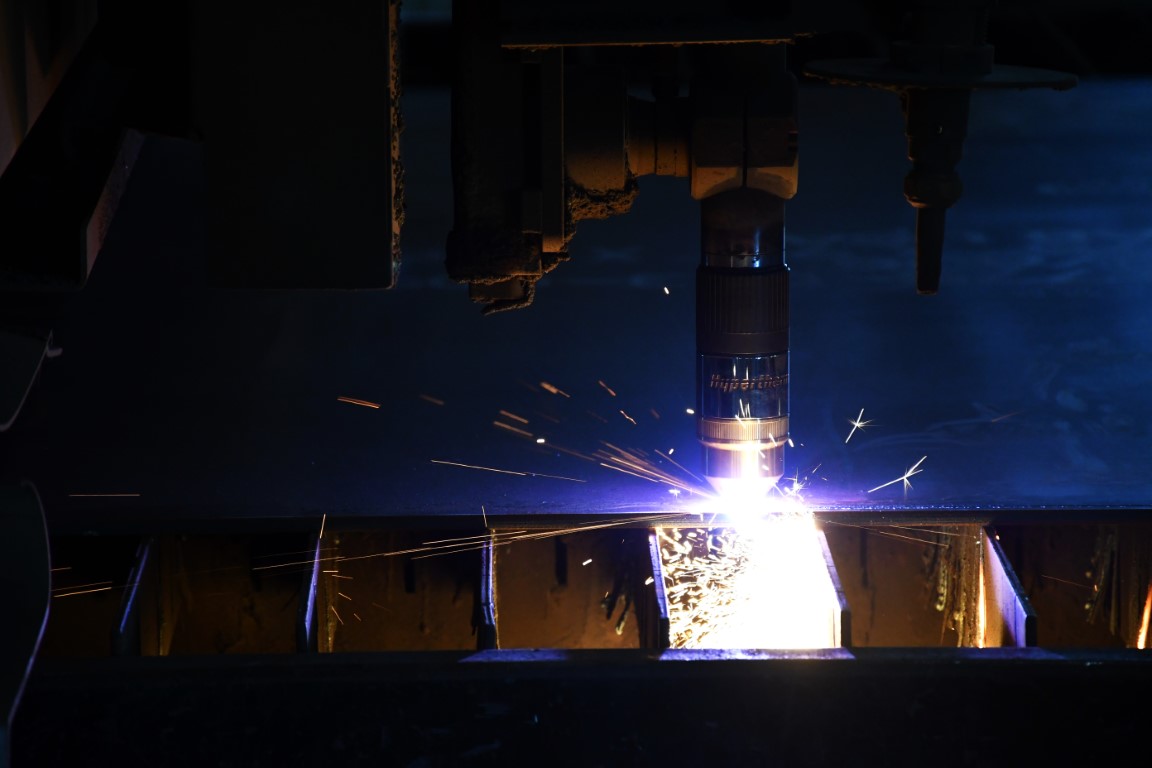
Plasma cutting uses electrically conductive gas, known as plasma, to cut through metal. The system generates an extremely hot, high-velocity plasma arc that melts the metal while compressed gas blows the molten material away from the cut.
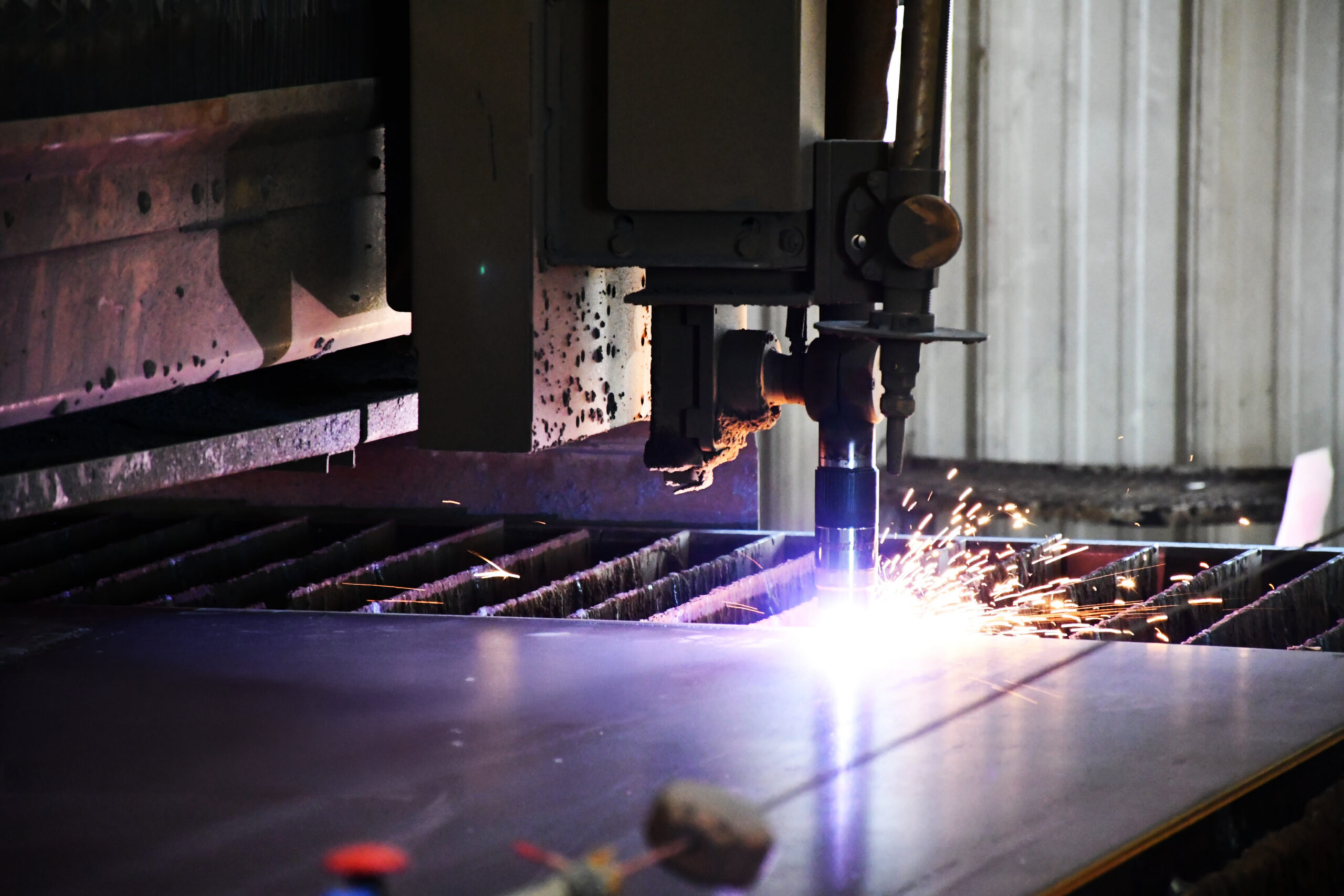
Plasma cutting is commonly used for heavier industrial applications because it performs very well on thicker metals. It is often used for structural steel, industrial equipment, repair work, and large-scale fabrication projects.
Compared to laser cutting, plasma cutting equipment is generally more rugged and designed for heavy-duty cutting applications. It is capable of cutting a wide range of conductive metals quickly and efficiently.
Precision and Accuracy
One of the biggest differences between laser cutting and plasma cutting is precision. Laser cutting is typically the better option when projects require highly detailed cuts, tight tolerances, or intricate shapes.
The focused laser beam creates narrow cuts with exceptional accuracy, making it ideal for parts that must fit together precisely. Laser cutting also minimizes heat distortion, which helps preserve the integrity of the surrounding material.
Material Thickness
Material thickness is another major factor when choosing between these cutting methods. Laser cutting performs best on thinner to medium-thickness materials. It delivers fast, clean cuts on sheet metal and lighter materials while maintaining excellent precision.
Plasma cutting is often preferred for thicker metal applications. The intense heat generated by the plasma arc allows the system to cut through heavy steel and thicker conductive metals more effectively than many laser systems.
The ideal process depends heavily on the type of material being cut and the thickness required for the project.
Edge Quality and Finish
Laser cutting is known for producing exceptionally smooth and clean edges. Because of the precision of the laser beam, parts often require little to no secondary finishing after cutting. This can save time during later fabrication stages, especially for projects involving welding, assembly, or visible finished components.
Cutting Speed and Efficiency
Both cutting methods are highly efficient, but their speed advantages vary depending on the material being processed. Plasma cutting is often faster when cutting thick metal materials. Its ability to quickly process heavy steel makes it a popular option for industrial fabrication and structural applications.
Laser cutting can be extremely fast for thinner materials and high-precision production runs. Automated laser systems are capable of processing complex shapes rapidly while maintaining consistent quality.
Production volume, material thickness, and project complexity all play a role in determining which process offers better efficiency.
Choosing the Right Cutting Method
Selecting the best cutting process depends on several factors, including:
- Material thickness
- Precision requirements
- Edge quality expectations
- Production speed
- Budget
- Project complexity
Experienced metal processing professionals can help determine which method best fits a specific application. Understanding the strengths of each process allows manufacturers and fabricators to improve efficiency while maintaining product quality.
Norfolk Iron & Metal provides metal processing services and quality materials to support a wide range of fabrication and manufacturing projects. Our experience and advanced capabilities help customers find the right solutions for their production needs.
Choose Norfolk Iron & Metal for Metal Processing Services
Choosing the right process requires careful consideration of the material, project goals, and production requirements. Working with experienced metal processing professionals at Norfolk Iron & Metal can help businesses improve efficiency, product quality, and overall project success.
To learn more about metal processing capabilities and fabrication solutions, contact Norfolk Iron & Metal today.

Follow Us