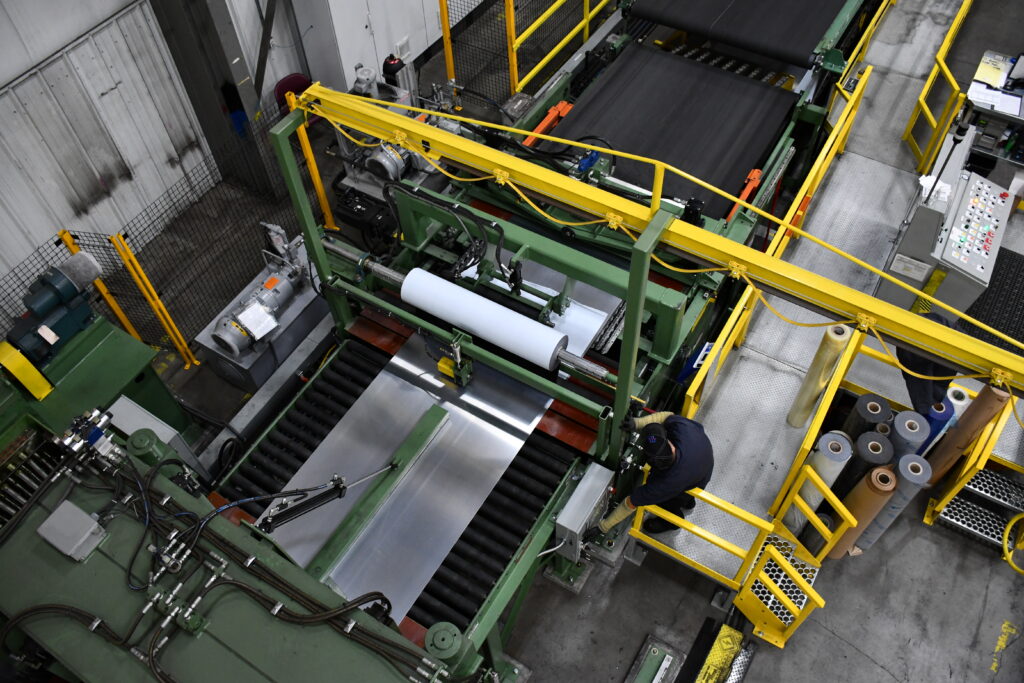
In the world of metal fabrication, precision is everything. From automotive parts to everyday household items, each component begins with a process designed to create accuracy and consistency. One of the most essential (but often overlooked) methods is blanking. While it may sound simple, blanking plays a vital role in shaping raw sheet metal into clean, uniform pieces that are ready for further production. Whether you’ve heard of it in passing or are completely new to the term, understanding blanking gives you insight into how so many of the products around us are made efficiently and at scale.
What is Blanking?
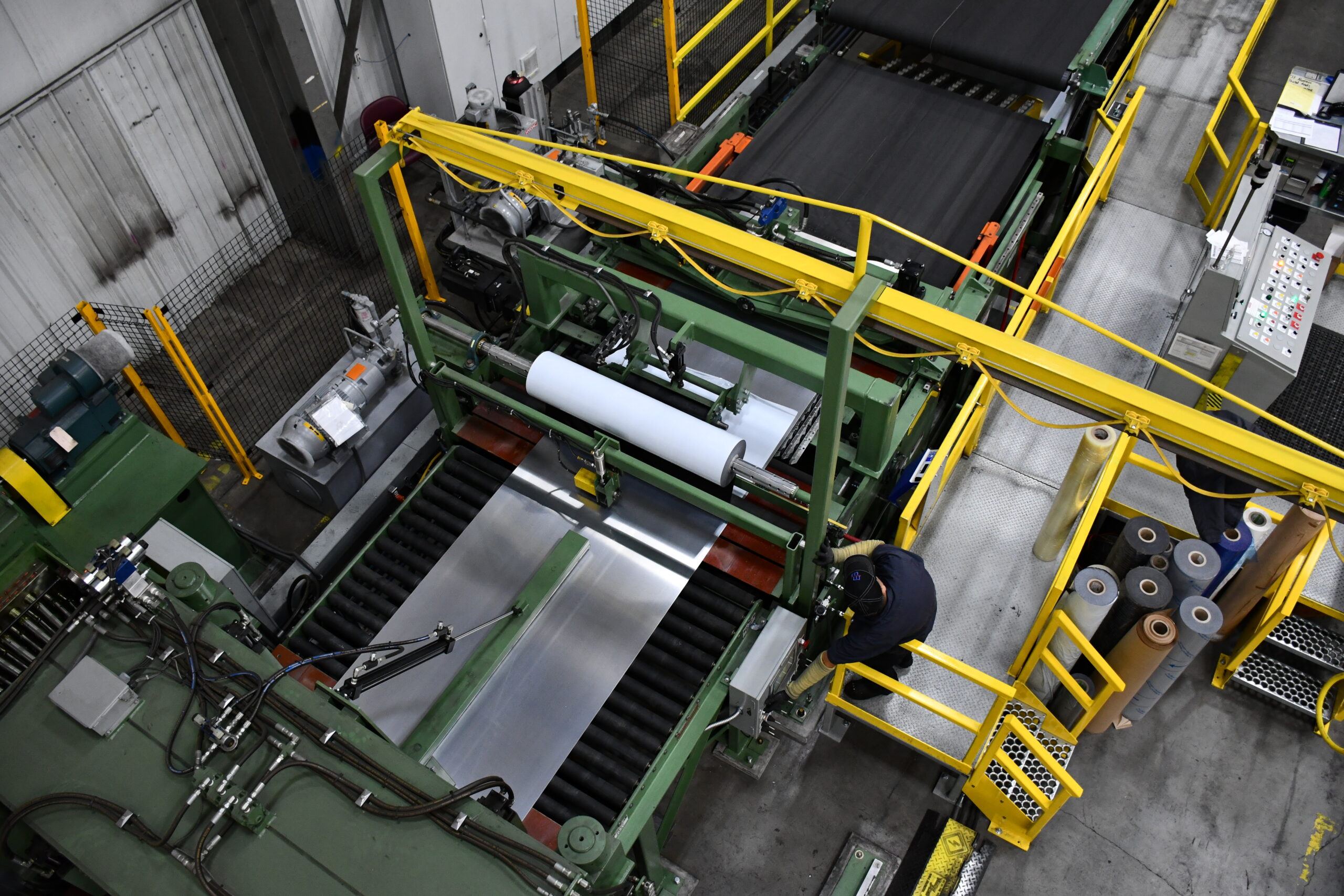
Blanking is a metal fabrication process that involves cutting a flat piece of sheet metal into a specific shape using a punch and die. Think of it as “cookie cutting” for metal—the punch presses the sheet against the die, and the piece that’s cut out (the blank) becomes the product. This method is widely used because it delivers clean edges, consistent shapes, and high efficiency, making it ideal for mass production. Unlike other processes, blanking focuses on the part that’s removed rather than the leftover sheet, which sets it apart from similar methods like punching.
How the Blanking Process Works
At its core, blanking is a simple concept, but the process itself relies on precision and force to create high-quality results. It begins with a flat sheet of metal, which is carefully placed onto a die that has been designed to match the exact shape of the part being produced. Once the sheet is in position, a punch tool comes down with tremendous pressure and shears the metal against the die. The separated piece is the finished product, while the leftover sheet is typically recycled or reused.
What makes blanking especially effective is its ability to produce identical parts over and over with incredible accuracy. Computer-controlled machinery and advanced tooling ensure that each blank comes out with smooth edges, consistent dimensions, and minimal distortion. This repeatability makes this an ideal process for industries that demand high-volume production, like automotive, electronics, and appliance manufacturing.
Another key advantage is efficiency. Since the blank itself is the desired product, very little post-processing is required. Parts can move quickly to the next stage of fabrication, whether that’s bending, stamping, or assembly. For manufacturers, this means faster turnaround times and cost savings without sacrificing quality.
Materials Used in Blanking
Blanking can be performed on a wide variety of metals, depending on the application and desired part properties. Common materials include steel, stainless steel, aluminum, brass, and copper. Each material has unique characteristics. Steel is strong and durable, aluminum is lightweight and corrosion-resistant, and brass and copper offer conductivity and aesthetic appeal. The thickness, strength, and ductility of the metal all influence the choice of punch and die, as well as the amount of force needed for a clean cut. By selecting the right material, manufacturers can ensure the blanked parts meet both functional and design requirements while optimizing efficiency and minimizing waste.
Benefits of Blanking in Metal Fabrication
Blanking offers several advantages that make it a cornerstone of modern metal fabrication. First, it is highly efficient and allows manufacturers to produce large quantities of uniform parts quickly. The process ensures consistent size and shape, which is critical for components that need to fit precisely in assemblies. This process is also cost-effective, especially for high-volume production, since it minimizes material waste and often requires little post-processing. The process is also versatile, capable of handling a variety of metals and thicknesses while maintaining accuracy. Overall, blanking streamlines production, reduces costs, and delivers high-quality, ready-to-use parts for a wide range of applications.
Applications of Blanking
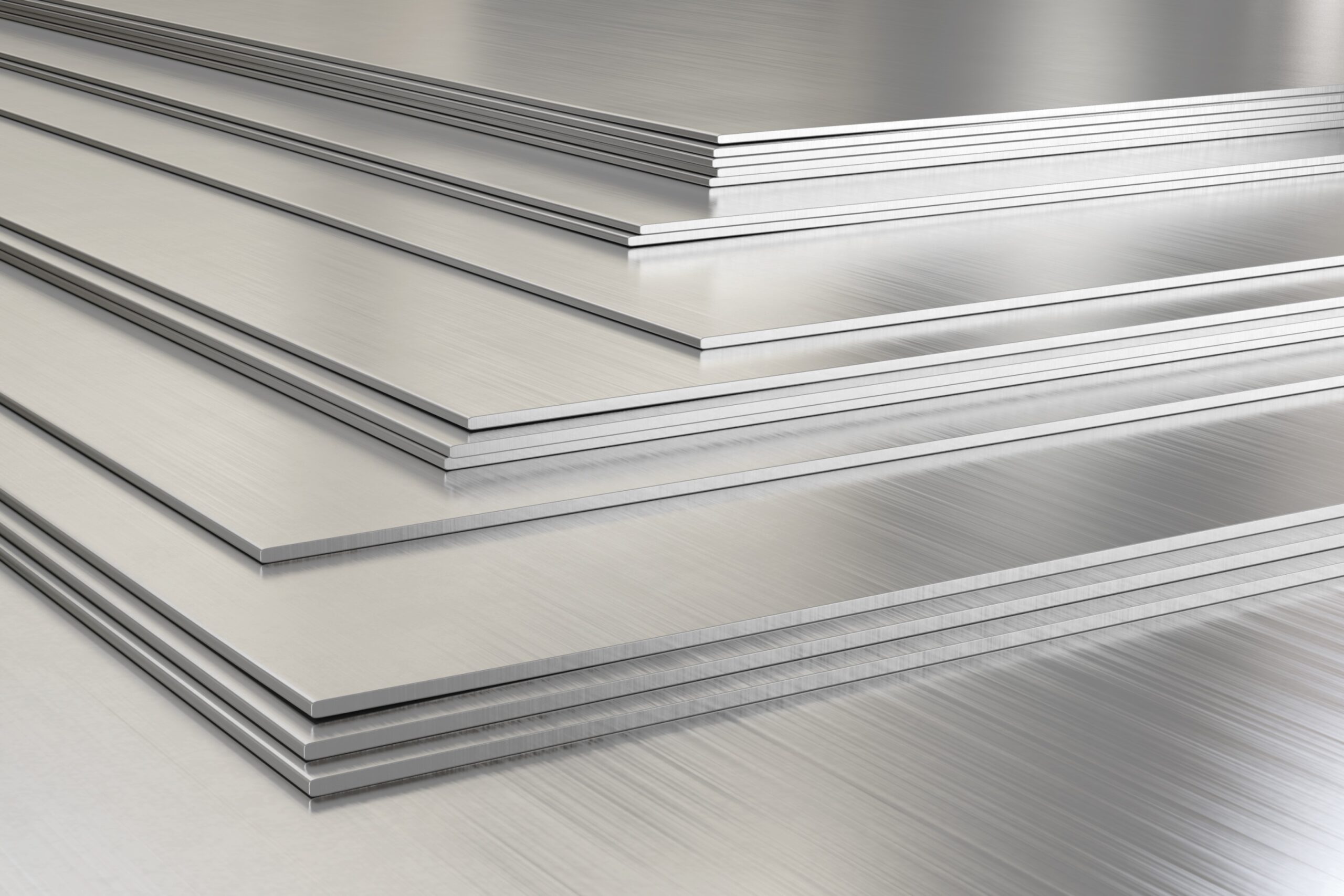
Blanking is widely used across many industries because it produces precise, uniform parts efficiently. In the automotive industry, blanked components are used for brackets, panels, and other structural parts. In electronics, small metal blanks serve as connectors, terminals, and housings. Appliances and machinery rely on blanked pieces for durable internal components, while everyday items like washers, coins, and metal brackets also start as blanks. Essentially, any application that requires consistent shapes, tight tolerances, and high-volume production can benefit from this process. Its versatility and precision make it a go-to process in modern manufacturing.
Choose Norfolk Iron & Metal for Reliable Blanking Services
Precision, efficiency, and quality are what make blanking essential in metal fabrication. We deliver all three at Norfolk Iron & Metal. Our expert team and advanced equipment ensure every piece meets exact specifications, whether you need custom blanks or high-volume production. Save time, reduce waste, and get parts you can rely on. Reach out to Norfolk Iron & Metal today and see how our professional blanking services can take your metal fabrication projects to the next level.


Follow Us